
Materiality Assessment

The Company’s key sustainability issues are reviewed and assessed annually, covering both risks (negative impacts) and opportunities (positive impacts). This process is integrated into the Enterprise Risk Management (ERM) framework. The assessment is based on the Double Materiality principle, considering both the internal impact on the business (Outside-in) and the external impact on society and the environment (Inside-out). This includes internal factors, operational activities, and external factors such as industry trends, relevant sustainability standards, and the expectations of all stakeholder groups. The identification and prioritization process follows the GRI 3: Material Topics standard, with performance results disclosed continuously through the annual Sustainability Report.
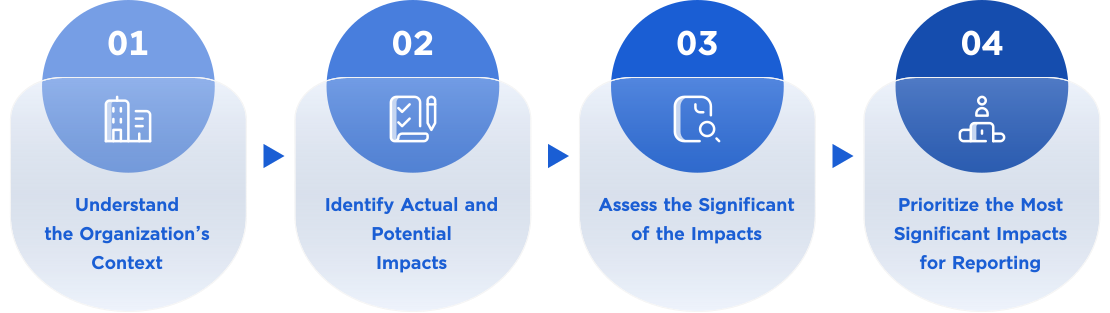
Understand the Organization’s Context
The Company has comprehensively reviewed its organizational context across the entire value chain, from upstream activities including the exploration of investment opportunities and the development of energy, electrical system, and infrastructure projects; midstream activities including contractor procurement and management, equipment manufacturing and installation, as well as project construction; to downstream activities including system operation, maintenance, customer services, and the management of supply chains and related business partners. The review covers:
- Internal Factors: Derived from the business context, such as growth strategies, investment portfolios, personnel competencies, corporate governance discipline and organizational culture.
- External Factors: Such as clean energy trends, national energy policies, the transition toward renewable energy, digital technology and smart grids and environmental laws and regulations. This includes national and international sustainability standards such as CGR, SET ESG Rating, FTSE Russell ESG Scores, Corporate Sustainability Assessment (CSA), Global Reporting Initiative (GRI) Standards and International Financial Reporting Standards (IFRS), as well as climate change and natural disaster risks.
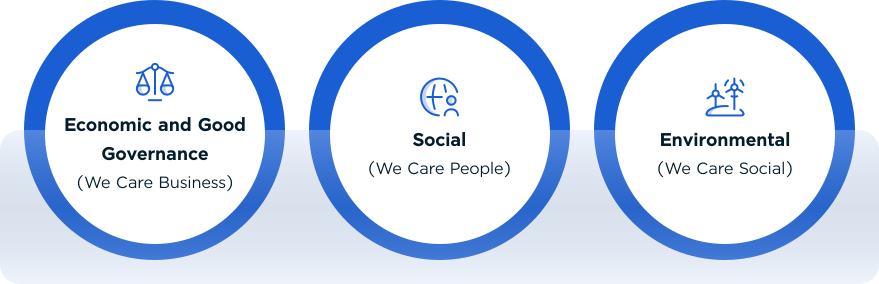
At the same time, the Company gathered key issues from the perspective of stakeholders, including issues of interest and stakeholder expectations, through communication, surveys, and engagement with all stakeholder groups. These include employees, suppliers, customers, competitors, shareholders and investors, the public sector, business partners, as well as communities and society. All information was then analyzed to identify and categorize sustainability issues that are aligned with the Company’s business direction and long-term growth objectives across 3 dimensions:
Identify Actual and Potential Impacts
This step involves identifying both actual and potential impacts of sustainability issues, both positive and negative, that may occur across all business activities in the value chain and at all operational sites, including activities by contractors, service providers, and joint venture partners. The impact identification covers:
- Economic performance and competitiveness
- Quality and stability of the electrical system
- Society, community, and human rights
- Occupational health, safety, and working conditions
- Environment and climate change
This process is conducted alongside a review of historical events, enterprise and project-level risk assessments, stakeholder feedback, and legal requirements/international standards to ensure the identified impacts are comprehensive, systematic, and aligned with the Company’s business nature.
Assess the Significant of the Impacts
The significance of the impacts is assessed and prioritized based on the Double Materiality principle, considering 2 dimensions:
- Impact Materiality (significance to stakeholders, society, and the environment). This dimension evaluates the severity of impacts based on the scale of impact, scope of impact, and irremediability, as well as the likelihood of the impact occurring. The assessment considers potential effects on stakeholders, society, and the environment.
- Financial Materiality (significance to the Company’s business performance and enterprise value). This dimension evaluates the financial implications of impacts on the Company, including potential effects on revenue, costs, and project return on investment (ROI) (scale), as well as impacts on operational performance, including competitiveness, business continuity, risk exposure, corporate reputation, and stakeholder confidence (scope). The likelihood of such impacts is also considered. Quantitative data is applied in accordance with the Company’s Enterprise Risk Management (ERM) framework.
Prioritize the Most Significant Impacts for Reporting
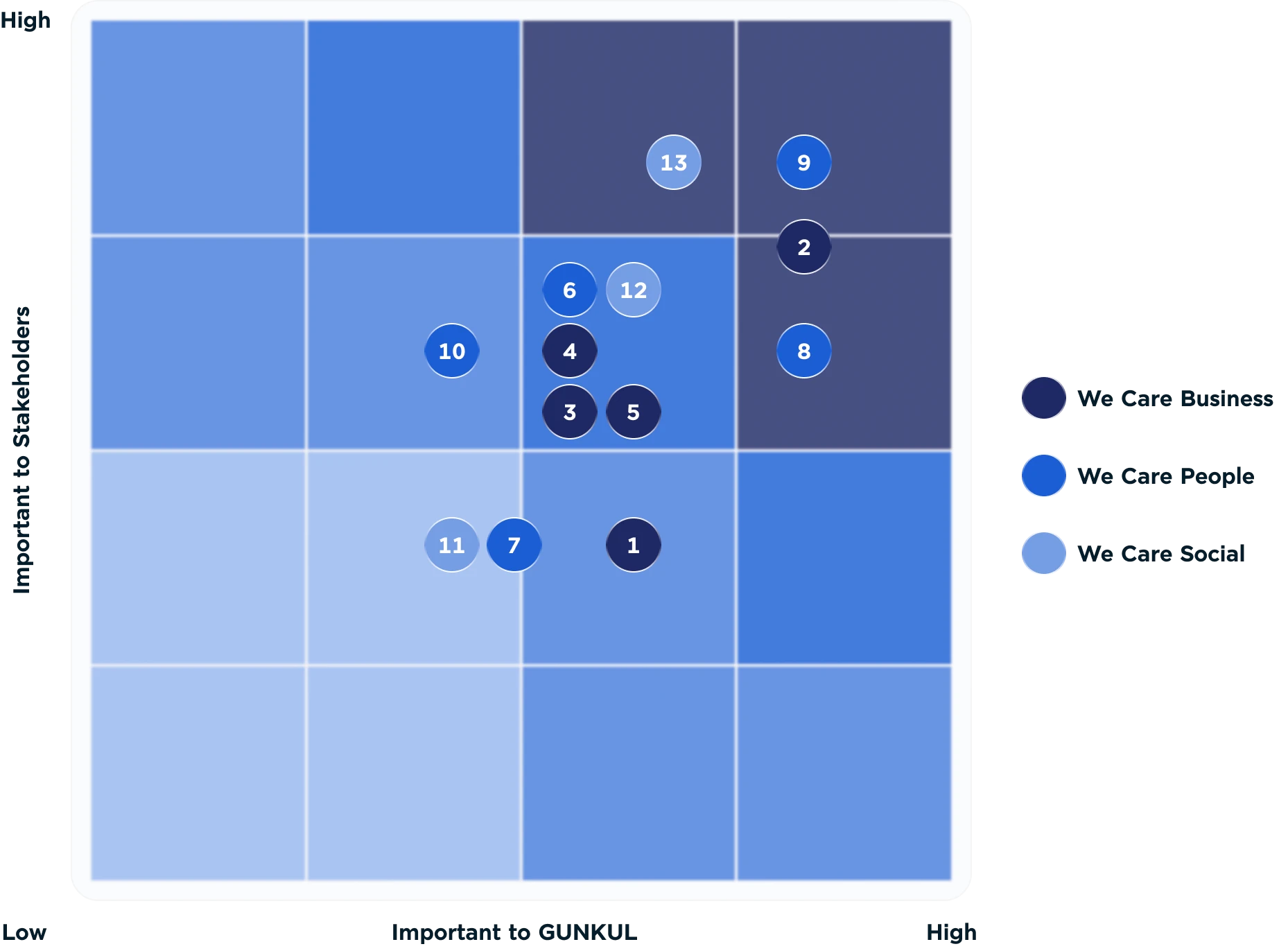
This step involves prioritizing the impacts according to their significance and presenting them in a Materiality Matrix. All significant issues undergo a thorough review for accuracy and completeness by the Sustainable Development Working Group. The issues are then submitted to the Good Corporate Governance and Sustainable Development Committee and the Board of Directors for approval. Once confirmed, these issues are used to develop sustainability strategies, action plans, and goals, which are integrated into the risk management process and departmental operational plans. Furthermore, progress is monitored and reported to management and stakeholders with transparency.
Result of Materiality Assessment
Very High Importance (VH)
High Importance (H)
Medium Importance (M)
Low Importance (L)
Based on the review and assessment of sustainability materiality issues in 2025, the Company has built upon the 2024 results, maintaining a total of 13 key sustainability issues, consistent with the previous year. However, specific details have been refined, including the renaming of two issues: "Good Corporate Governance and Business Ethics" has been changed to "Good Corporate Governance," and "Innovation Development" has been updated to "Innovation and Digitalization." These changes were made to more clearly reflect the Company’s business context and strategic direction. Furthermore, the Company has introduced a new material issue, "Operational Stability and Efficiency," to replace "Employee Attraction and Retention," ensuring better alignment with the nature of the business and significant risks in the present landscape
Scope of Impact and Presentation of Material Issues in Reporting

We care Business



Good Corporate Governance
Conducting business with transparency, accountability and responsibility while complying with laws and business ethics to build trust among investors, contractual parties, regulators, and stakeholders.

Systemic good corporate governance enhances transparent and reliable management capabilities. It supports strategic decision-making and efficient investment allocation while promoting the Company’s position as a "Trusted Green Energy and Infrastructure Partner," facilitating access to funding, joint ventures and long-term expansion in renewable energy and infrastructure.

Increases risks of corruption, legal non-compliance, and breach of business ethics, which may lead to legal penalties, financial loss and loss of reputation and trust from investors, financial institutions, regulators and contractual parties.
Management Approach
- Good Corporate Governance and Business Ethics
- Anti-Corruption





Risk and Crisis Management
Strategic risk management and crisis preparedness to maintain operational continuity, organizational stability and sustainable growth.
Effective crisis and risk management strengthens business resilience in complex, capital-intensive energy and infrastructure businesses. It supports operational continuity, cash flow stability, and readiness in managing the Company’s three main business portfolios, including expansion into new S-curve opportunities.
Energy and infrastructure businesses are exposed to inherent risks arising from regulatory uncertainty, weather conditions, technological changes, and supply chain disruptions. Failure to anticipate and manage these risks effectively could affect stakeholder confidence and the Company’s business growth plans.
Management Approach
- Risk and Crisis Management


Sustainable Supply Chain Management
Selecting, assessing, and developing partners and contractors to operate in accordance with quality standards and the Supplier Code of Conduct to ensure work quality, project continuity, and business credibility throughout the value chain.
Sustainable supply chain management enhances capabilities in quality control, operational continuity, and project efficiency throughout the value chain. It strengthens readiness in managing multi-tier contractors and supports the Company’s credibility in large-scale projects and joint ventures.
Energy and infrastructure businesses face risks arising from high dependency on numerous partners and contractors. Non-compliance with applicable laws, labor standards, human rights, or ESG requirements may negatively affect workers and communities, leading to project delays, contractual disputes, increased costs, and reputational damage.
Management Approach
- Supply Chain Management


Innovation and Digitalization
Developing and applying innovative and digital technologies to enhance operational efficiency, project management, and strategic decision-making, while supporting expansion into new business opportunities and the Company’s new S-curve growth areas.
Innovation and digital technologies enhance the organization’s structural capabilities to expand green energy, digital infrastructure, and AI applications. This improves operational efficiency, asset management, and strategic decision-making, supporting the Company’s new S-curve businesses and long-term strategic partnership opportunities.
The industry faces risks arising from rapid technological changes, high capital investment, and uncertainty in business models, which may affect return on investment (ROI), payback periods, and competitiveness if technology adoption and investment are not managed prudently.
Management Approach
- Customer Relationship Management
- Business Innovation for Social Creation
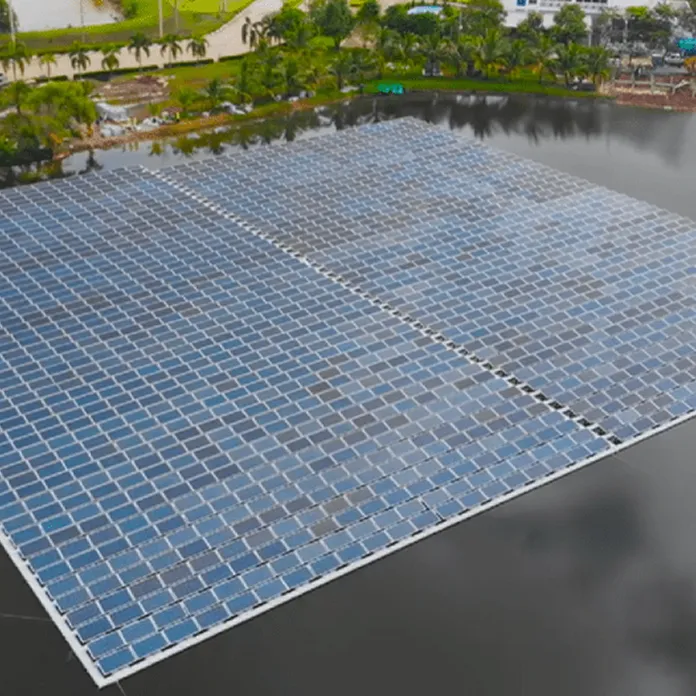
Operational Stability and Efficiency
Enhancing operational efficiency, strengthening project management systems, and ensuring the stability of electricity generation and distribution to support operational continuity, mitigate disruption risks, and strengthen the resilience of the energy business.
Supports the Trim Operational Fat strategy by enhancing the performance of power plants and project management systems. This enables disciplined cost management, improves asset efficiency, and supports the stable expansion of the Company’s energy project portfolio over the long term.
The energy business is sensitive to technical risks, infrastructure constraints, and external factors such as weather conditions or grid stability. Operational disruptions may affect production continuity, electricity delivery, and revenue streams, even with proper cost and project management.
Management Approach
- Customer Relationship Management
- Business Innovation for Social Creation

We care People
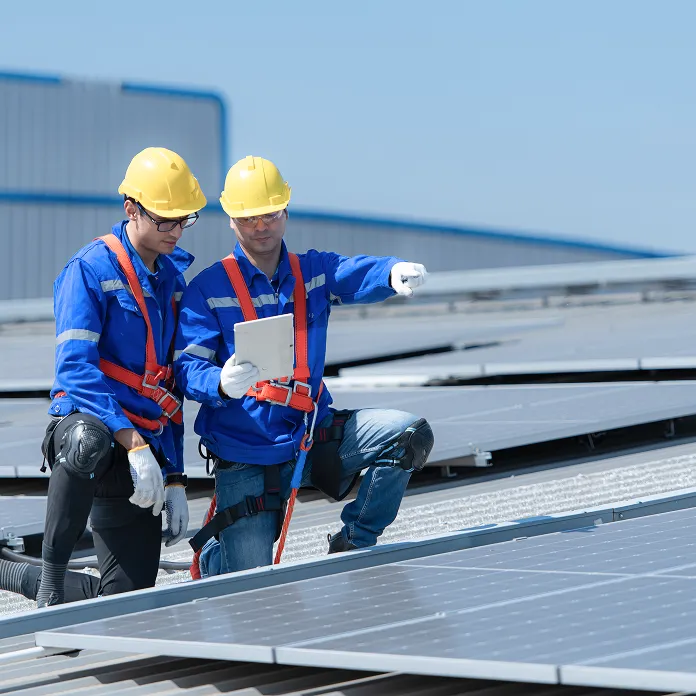

Occupational Health and Safety
Caring for the health and safety of employees and workers through standardized safety management systems to reduce accidents and support continuous operations.
Systematic occupational health and safety management enhances readiness in managing multi-tier labor and contractors across energy and infrastructure projects. This supports operational continuity and strengthens the Company’s credibility as a responsible regional infrastructure developer.
Energy and infrastructure projects involve safety risks related to construction activities, electrical systems, and work in specialized environments. Serious accidents could impact worker safety, project continuity, corporate reputation, and stakeholder confidence.
Management Approach
- Occupational Health and Safety



Labor Practices and Human Rights
Conducting business with respect for human rights and fair labor practices, covering equality, non-discrimination, and compliance with international labor standards throughout the value chain.
Strong labor practices and respect for human rights in accordance with international standards enhance corporate credibility and strengthen readiness for international investment and partnerships.
Violations of human rights or labor standards may lead to complaints from workers or stakeholders, resulting in reputational damage and undermining the confidence of investors, partners, and communities.
Management Approach
- Human Rights and Fair Labor Practices
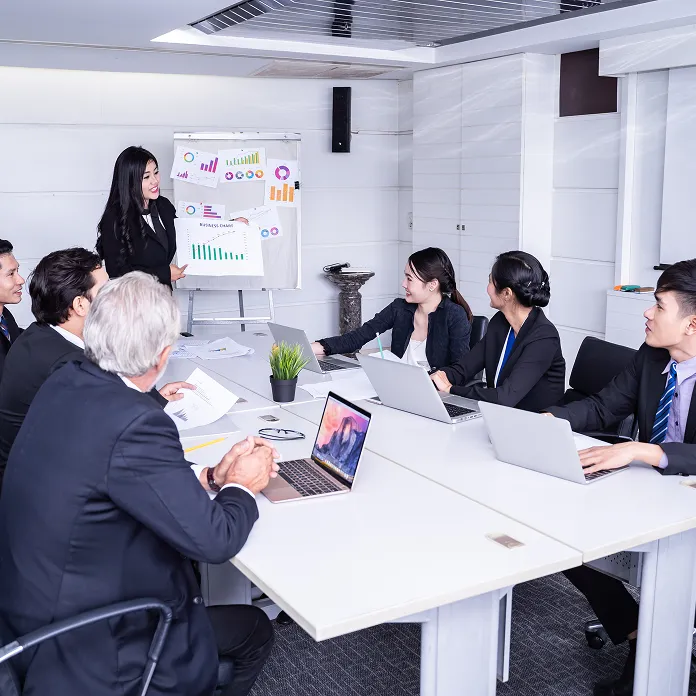
Human Capital Development
Developing employees’ knowledge, skills, and competencies in alignment with emerging trends in the modern energy industry, while creating long-term opportunities for professional growth and organizational capability.
Developing personnel capabilities aligned with modern energy, AI, data, and infrastructure businesses enhances the organization’s capacity to drive new business opportunities and ensures workforce readiness to support growth and expansion targets.
The labor market for energy and digital technologies is highly competitive. Failure to continuously develop specialized skills may lead to shortages of key personnel, potentially slowing business expansion and the development of new S-Curve opportunities.
Management Approach
- Employee Engagement and Retention

Product and Service Responsibility
Ensuring product and service quality through effective quality control and project delivery in accordance with contractual and technical standards, while maintaining safety, reliability, and efficient customer complaint management.
Systematic quality management of products and services enhances customer experience and trust. It supports the ability to deliver complex projects in accordance with technical specifications, strengthens long-term business relationships, and facilitates future portfolio expansion.
Energy and infrastructure businesses involve risks related to strict technical and contractual requirements. Quality or delivery issues may lead to fines, contract termination, legal disputes, and reputational damage, affecting the confidence of customers and business partners.
Management Approach
- Customer Relationship Management
- Business Innovation for Social Creation


Creating Shared Value
Conducting business that benefits communities and the local economy through employment, area development and stakeholder engagement.
Creating shared value for society strengthens the organization’s role in generating positive impacts through local economic development, employment opportunities, and support for sustainable energy systems. This aligns with the “Create Stakeholder Impact” concept and enhances corporate acceptance as a national infrastructure developer.
Infrastructure and energy projects are sensitive to social contexts and stakeholder diversity. If stakeholder expectations are not effectively managed or communication is not aligned with the local context, it may lead to community tensions, potentially affecting the social license to operate and long-term project continuity.
Management Approach
- Community and Social Responsibility

We care Social

Production Waste Management
Managing production waste through systematic waste management practices to ensure proper handling, reduce environmental impacts, and promote efficient resource utilization.
Systematic waste management enhances resource efficiency and environmental performance. It supports environmentally responsible operations, reduces regulatory compliance risks, and strengthens corporate credibility as a responsible energy business operator.
Production activities and energy projects generate both hazardous and non-hazardous waste. Improper waste management may impact communities and the environment, potentially leading to complaints, reputational damage, and loss of stakeholder trust.
Management Approach
- Resource Efficiency and Pollution Management


Biodiversity
Developing and operating projects with consideration for impacts on ecosystems and natural habitats, with measures in place to prevent and mitigate impacts in environmentally sensitive areas.
Considering biodiversity enhances capabilities in developing projects that align with the local context, reducing impacts on ecosystems and sensitive areas and supporting long-term sustainable project operation.
Clean energy projects may pose risks to ecosystems and biodiversity in certain areas. Without proper management, this could lead to community and NGO complaints, as well as approval and operational restrictions, affecting business continuity and expansion plans.
Management Approach
- Environmental Responsibility and Biodiversity
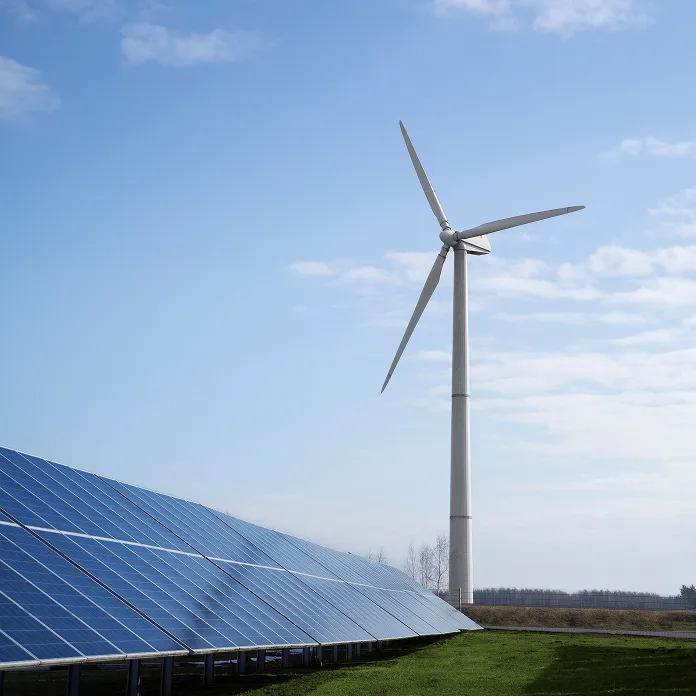

Climate Change Response
Managing climate-related risks and opportunities to support the transition to clean energy and enable long-term sustainable business growth.
Responding and adapting to climate change strengthens growth opportunities in alignment with the Green Energy & Infrastructure Roadmap and the global energy transition. It supports the development of clean energy and future energy infrastructure while contributing to the Net Zero target and the transformation of the national energy system.
Energy and infrastructure businesses inherently face risks arising from climate change and related policies, which may impact costs, project design, competitiveness, and return on investment (ROI). Failure to effectively manage these risks could affect project continuity and long-term competitive potential.
Management Approach
- Climate Actions
- Water Management
- Energy Management
- Resource Efficiency and Pollution Management
