
Occupational Health and Safety
Supporting the SDGs


Goals and Performance Highlights
2025 Target
2025 Performance

2025 Target
2025 Performance
Challenge and Opportunity
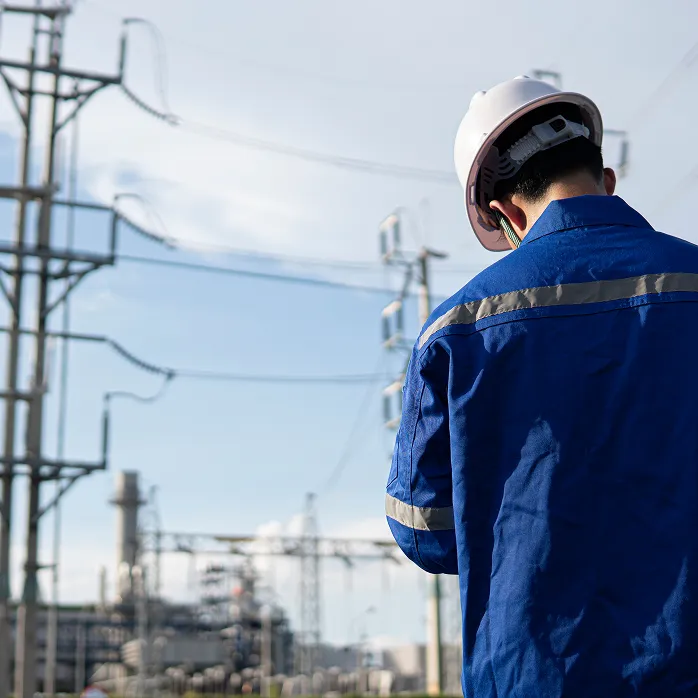
Operating renewable energy and infrastructure engineering businesses involves inherent occupational health and safety risks.
These include working with high-voltage electrical systems, construction and equipment installation activities, working at heights, confined space operations, and the use of heavy machinery. In addition, health impacts may arise from the working environment and ergonomic risks. These risks may affect employees, contractors, supply chain workers, as well as the safety of surrounding communities and the environment near project sites. Severe accidents could lead to loss of life and property, disrupt project continuity, and undermine stakeholder confidence. Therefore, the Company prioritizes systematic occupational health and safety management. Safety standards are strengthened through proactive risk assessments, comprehensive preventive and control measures, and continuous training and awareness programs for employees and contractors. The Company also promotes a strong safety culture throughout the value chain and strives toward a Zero Accident goal to protect the lives and well-being of workers and surrounding communities. Effective safety management not only reduces the risk of operational disruptions and accident-related losses but also enhances the Company's capability to manage a multi-tier workforce in large-scale projects. This strengthens the confidence of business partners, investors and local communities, while supporting the smooth expansion of clean energy projects into new areas. Ultimately, these efforts contribute to shared value creation and the Company's sustainable long-term growth.
Management Approach and Value Creation
Safety Management
The Company is committed to protecting the right to work in a safe and appropriate environment while safeguarding the health and safety of employees, contractors, and relevant stakeholders. Occupational health, safety, and workplace environment management are integrated into the Company's Human Rights Policy.
To ensures that the Board of Directors, executives, employees, business partners, and relevant parties acknowledge and comply with these principles. The Company continuously enhances its safety standards beyond legal requirements. Quantitative targets are established using the Lost Time Injury Frequency Rate (LTIFR) for both employees and contractors as a key performance indicator. The Company aims to reduce LTIFR by at least 15% annually, progressing toward the long-term goal of Zero Accidents. An occupational health and safety management system aligned with applicable laws and international standards is implemented across all operational phases. This includes oversight of contractors and subcontractors to ensure the safety of personnel and minimize potential impacts on surrounding communities. The Company's safety management approach consists of the following elements:

Safety Governance

Compliance Assessment

Risk Assessment

Safety Culture Development

Monitoring and Inspection

Reporting
Oversight of Occupational Health, Safety, and Workplace Environment
The Company has established a clear governance structure for occupational health, safety, and the workplace environment. The Board of Directors delegates oversight responsibilities to the Corporate Governance and Sustainable Development Committee and the Risk Management Committee to supervise and monitor occupational health and safety risks across the organization. They regularly review performance reports, safety indicators, and significant incidents, and provide policy recommendations to enhance operational efficiency continuously. Safety issues are also integrated into the Company's Enterprise Risk Management (ERM) framework. Senior executives responsible for operational functions are designated as the primary leaders to drive safety implementation, monitor safety performance indicators against established targets, and regularly report results to the Board of Directors and relevant sub-committees.
At the operational level, the Company has established a Safety, Occupational Health, and Environmental Committee, chaired by an executive representative and composed of representatives from relevant departments and certified safety officers. The committee is responsible for planning, establishing accident prevention and control measures, monitoring compliance with applicable laws and regulations, and continuously reviewing and refining safety measures to align with the Company's operations. This committee promotes and supports safety initiatives, ensures that employees, contractors, and subcontractors strictly comply with the Company's safety measures, and elevates operational efficiency through communication, training, and awareness campaigns, ensuring that employees at all levels actively participate in the continuous management of occupational health, safety, and the workplace environment.
| Responsible Unit | Responsibilities |
|---|---|
| Board of Directors | Establishes policies and oversees overall occupational health, safety, and workplace environment risks, including reviewing performance and significant incidents. |
| Corporate Governance and Sustainable Development Committee | Reviews safety performance and provides recommendations to strengthen safety management practices. |
| Risk Management Committee | Monitors and integrates occupational health and safety risks into the Enterprise Risk Management (ERM) framework. |
| Senior Executives (Operational Functions) | Drive safety implementation, monitor KPIs, and report safety performance to the Board and relevant committees. |
| Safety, Occupational Health, and Environmental Committee | Establish accident prevention plans, monitor legal compliance, and review safety measures for continuous improvement. |
| Operational Units / Projects / Sites | Implement safety procedures and control measures within operational areas. |
| Employees / Contractors / Subcontractors | Comply with safety requirements and participate in safety-related activities. |
Safety and Occupational Health Risk Assessment
To achieve a Zero Accident organization and build confidence in workplace safety, the Company systematically conducts occupational health and the working environment risk assessments covering new projects under development and ongoing activities for both employees and contractors. For new projects (Due Diligence), the Company conducts occupational health and safety risk assessments from the initial development phase, prior to investment or construction decisions. This evaluates the project location, surrounding environment, community proximity, applied technologies, and potential risks during the construction and operational phases. This data informs project design, construction planning, preventive measures, and the selection of contractors aligned with the Company's safety standards. For ongoing activities in offices, construction, and installation sites, as well as operations and maintenance at plants, power stations, and substations, the Company mandates Job Safety Analysis (JSA) as a prerequisite for hazardous tasks. The JSA serves as the primary tool for identifying hazards and assessing risks at the site level. Operators and supervisors jointly analyze workflows, identify potential hazards and assess the likelihood and severity of risks to determine appropriate controls, incorporating engineering controls, administrative controls, and Personal Protective Equipment (PPE). The JSA form must be reviewed and approved prior to work commencement and reassessed if workflows, environments, machinery, or personnel change. It is also a fundamental component of the Permit to Work system for high-risk activities. The 2025 Safety Risk Assessment identified the following high-risk activities susceptible to workplace accidents: working with high-voltage systems, working at heights, hot work, working in confined spaces, and working with hazardous equipment and machinery. The Company continuously utilizes these risk assessment results to refine occupational health and safety management measures, establish performance indicators to track effectiveness, improve workflows, and actively communicate risks to operators before work begins.
High-Risk Activities Control System
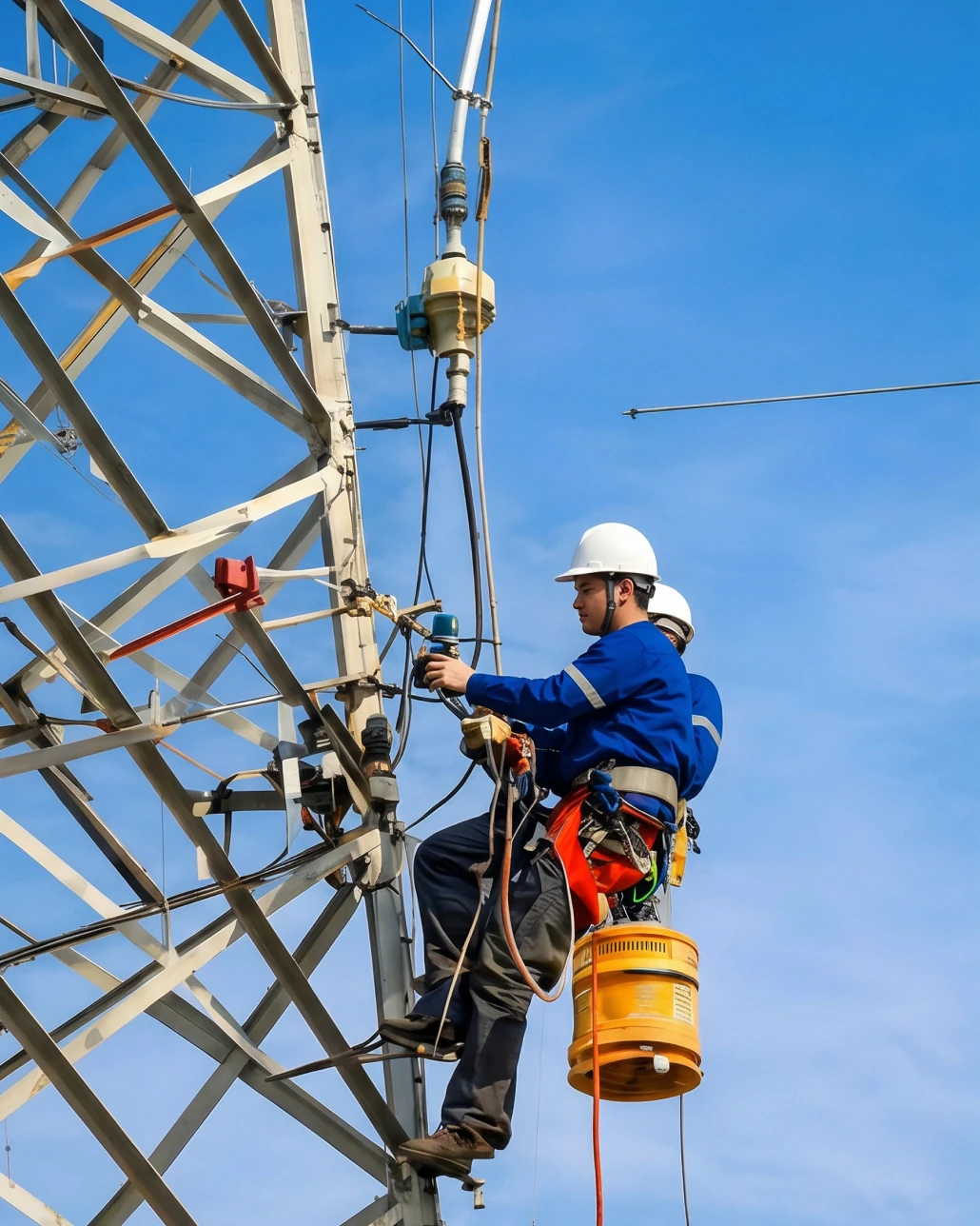
The Company mandates that High-Risk Activities must operate strictly under the Permit to Work system. Supervisors or authorized personnel must verify the readiness of the area, equipment, tools, and control measures before work begins. Crucially, the Company empowers employees and contractors with Stop Work Authority, granting them the right to immediately halt operations upon identifying unsafe conditions. Safety officers and supervisors conduct regular inspections, establishing immediate corrective measures if safety non-compliance is detected.
| High-Risk Activities | Preventive and Risk Control Measures |
|---|---|
| Working with high-voltage systems |
|
| Working at heights |
|
| Working with heat or sparks |
|
| Working in confined spaces |
|
| Working with hazardous equipment and machinery |
|
Additionally, the Company integrates contractor safety management into its occupational health and safety management system. Contractors are required to comply with the same safety standards as employees, covering contractor selection, pre-site preparation, operational control during work, and post-work evaluation. Contractors are also granted Stop Work Authority when unsafe conditions are identified. Safety performance records of contractors are monitored and used as a key consideration for future contract engagement.
Contractor Management
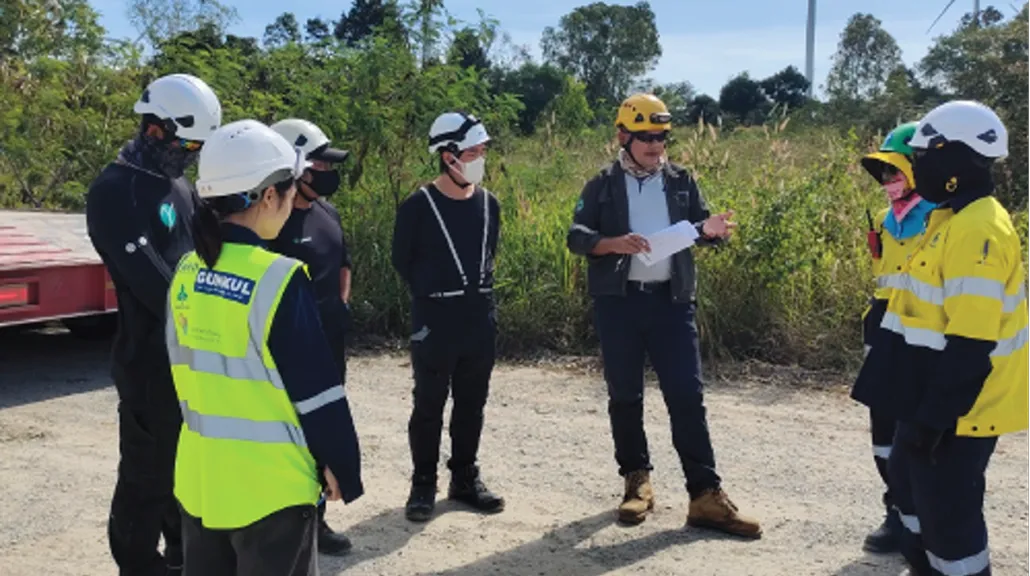

- Contractors must pass a safety assessment before starting work (Safety pre-qualification).
- Contractors must attend safety training before entering the worksite (Safety induction).
- Contractors must prepare and submit a JSA for Company approval before starting work.
- The Company has the right to suspend work or remove contractors who fail to comply with safety requirements.
Building a Safety Culture
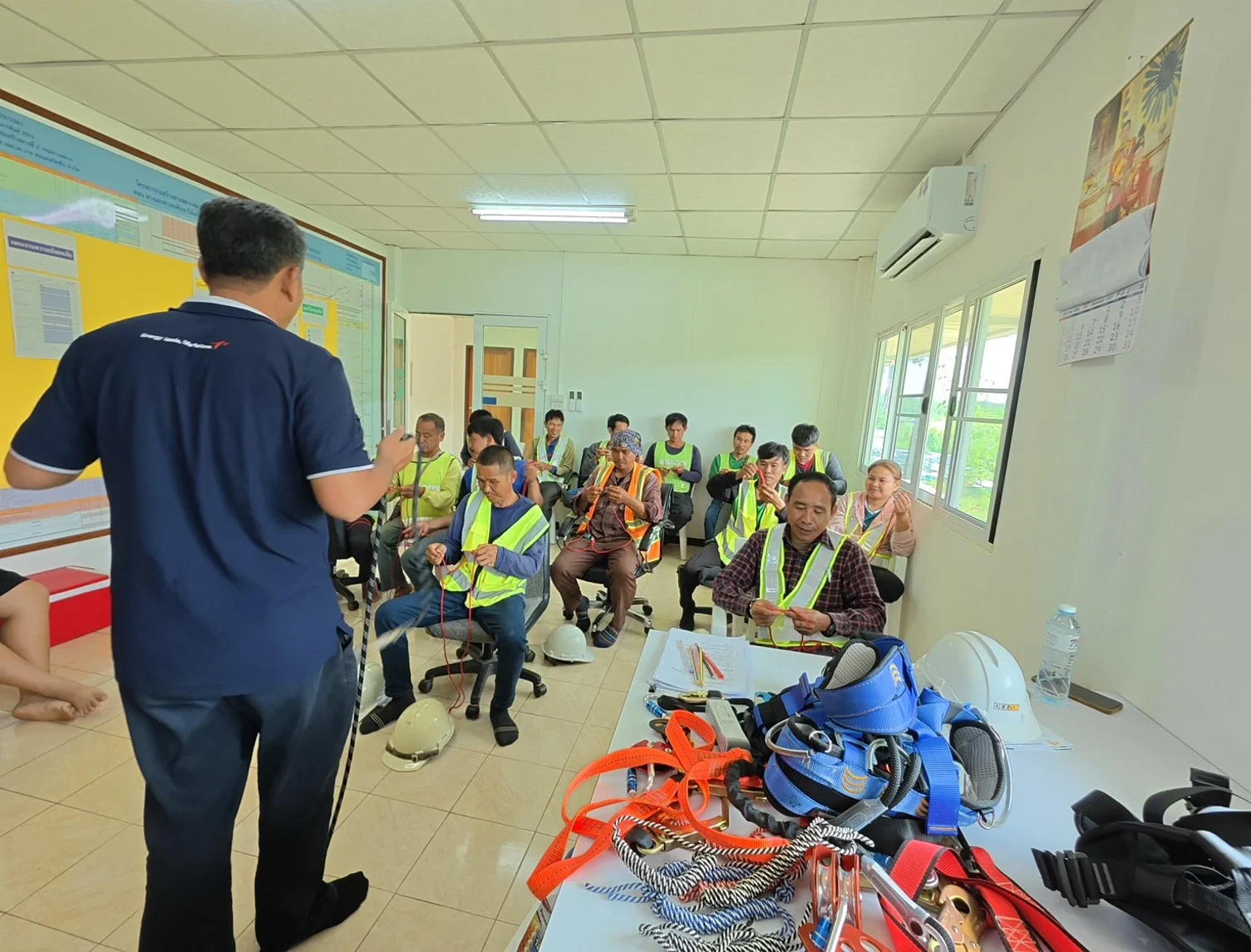
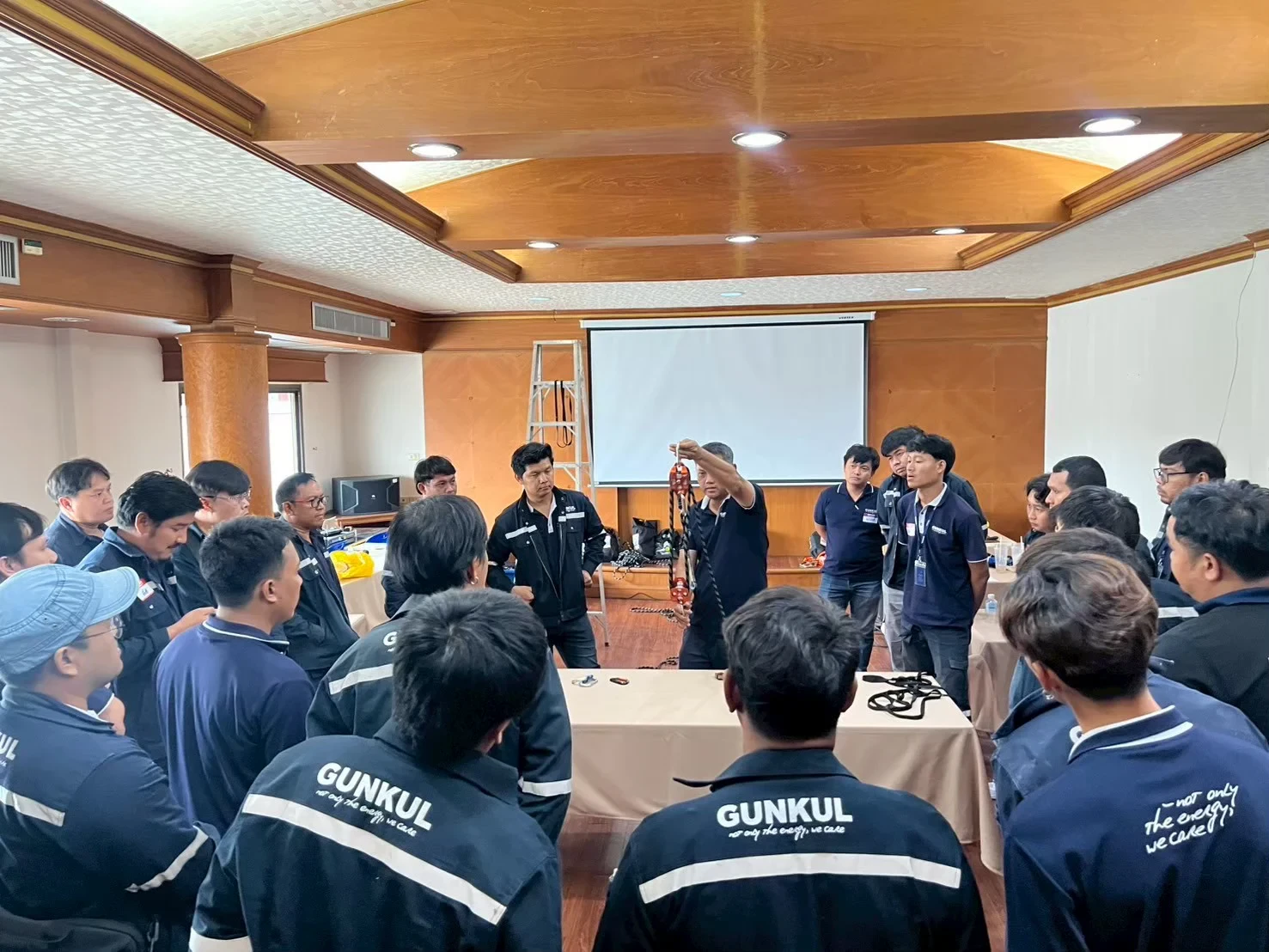
The Company promotes employee and contractor participation in fostering a strong safety culture through continuous communication, training, and job-specific safety activities. Safety training is provided prior to work commencement to ensure that workers understand potential hazards and safe work practices. In addition, the Company conducts Site Safety Inspections, Safety Patrols, and Safety Audits to proactively identify potential hazards and implement timely corrective actions. Workplace Monitoring is also carried out to assess working environment conditions and ensure compliance with legal and safety standards. The Company further promotes workplace organization through 5S activities across factories, power plants, and construction sites to maintain safe and orderly working environments. Before commencing new tasks or when there are changes in work areas, the Company conducts Safety Talks or Toolbox Talks to communicate potential risks and safety precautions. In addition, KYT (Kiken Yoshi Training) is implemented to encourage workers to jointly identify potential hazards and determine preventive measures before starting work, particularly in construction projects. These initiatives aim to continuously strengthen safety awareness and cultivate a proactive safety culture among employees and contractors.
In 2025, the Company conducted safety training covering basic occupational safety, electrical safety, working at heights and in confined spaces, vehicle operation, emergency and chemical response, as well as basic firefighting and fire evacuation drills. With over 1,446 participants, these programs aim to enhance knowledge and reduce operational risks. Simultaneously, the Company promotes preventive health under the concept of "4 Good Health for a Balanced Work Life," providing health education, promoting appropriate lifestyle behaviors, and preventing sexually transmitted diseases. This is complemented by annual health check-ups and personalized health counseling to support continuous health risk management and access to appropriate medical care for employees.
Safety Monitoring and Inspection
The Company continuously tracks and inspects workers' safety statistics to evaluate OHS performance. The Safety, Occupational Health, and Environmental Committee is responsible for investigating work-related incidents or accidents through rigorous Root Cause Analysis. The committee establishes preventive and corrective measures, assigns responsible personnel to track implementation, and reports the outcomes to executives and relevant committees according to the governance structure. Investigation reports are shared with Project Managers to refine operations and prevent recurrences. The Company utilizes various communication channels to consistently alert and raise awareness among employees and contractors regarding unsafe acts or hazardous conditions. In the event of damages or work-related injuries, the Company provides appropriate assistance, compensation, and remediation to the affected individuals.
Stakeholders Directly Impacted

Employees

Business Partners

Communities and Society

