
Resource Efficiency and Pollution Management

Supporting the SDGs


Goals and Performance Highlights

2025 Target
2025 Performance
2025 Target
2025 Performance
2025 Target
2025 Performance

2025 Target
2025 Performance
2025 Target
2025 Performance

2025 Target
2025 Performance
Challenge and Opportunity
Inefficient resource utilization and improper waste management can lead to environmental, economic, and reputational impacts, particularly in industries involving manufacturing activities and energy project operations.
which require substantial use of raw materials, energy, and other resources. These processes generate both hazardous and non-hazardous waste, which, if not properly controlled and managed in accordance with recognized standards, may adversely affect soil, water, and air quality, as well as pose risks related to regulatory compliance and potential impacts on surrounding communities. In addition, the use of virgin materials and the disposal of waste are closely linked to greenhouse gas emissions across the value chain (Scope 3), which are material to the Company’s overall emission reduction targets. Therefore, reducing waste generation, increasing the use of recycled materials, and promoting resource recovery are important approaches not only for minimizing environmental impacts but also for improving operational efficiency and managing long-term costs. Recognizing the significance of these challenges, the Company is committed to systematically managing resources and waste across its operations. The Company aims to minimize the amount of production Waste Directed to Landfill while promoting circular economy principles to enhance resource efficiency, reduce greenhouse gas emissions, and create long-term environmental value alongside sustainable business growth.
Management Approach and Value Creation
Resource, Waste, and Pollution Management Approach
The Company has established a comprehensive framework for resource, waste, and pollution management, encompassing the entire life cycle from product design and raw material procurement to manufacturing, project execution, and final disposal or recovery. This framework integrates resource efficiency and pollution control into the Company's Environmental Management System (EMS) to support business decision-making and mitigate long-term environmental impacts.
These operations align with the Sustainable Practices and Sustainable Supply Chain strategies, focusing on resource optimization, waste reduction through the 3Rs (Reduce, Reuse, Recycle) principle, and fostering collaboration with suppliers and stakeholders across the value chain. This aims to elevate sustainable and eco-friendly operations through a framework comprising the following key approaches:
- Resource Efficiency & Sustainable Procurement Focuses on reducing virgin material consumption and enhancing resource efficiency across all business stages, alongside selecting eco-friendly raw materials, products, and services to support Sustainable Practices.
- Circular Economy Integration Promotes resource circularity through reuse and recycling of resources within production processes and project operations, including designing products and equipment for reusability, to minimize waste and reliance on virgin resources.
- Waste Management Optimization Prevents waste generation at the source, segregates, and manages both hazardous and non-hazardous waste in compliance with legal requirements, while increasing the proportion of waste recovery and reducing final disposal volumes.
- Pollution Prevention & Control Establishes pollution control measures for production processes and project operations, emphasizing prevention at the source, utilizing appropriate technologies, and conducting regular equipment maintenance to minimize environmental and community impacts.
- Data-driven & Sustainable Supply Chain Integration Develops monitoring systems for resource, waste, and pollution data to analyze and improve operational efficiency. It also expands collaboration with suppliers, customers, and stakeholders to develop and opt for eco-friendly products and services, integrating this with value chain greenhouse gas (Scope 3) emissions management.
Resource, Waste, and Pollution Reduction Performance
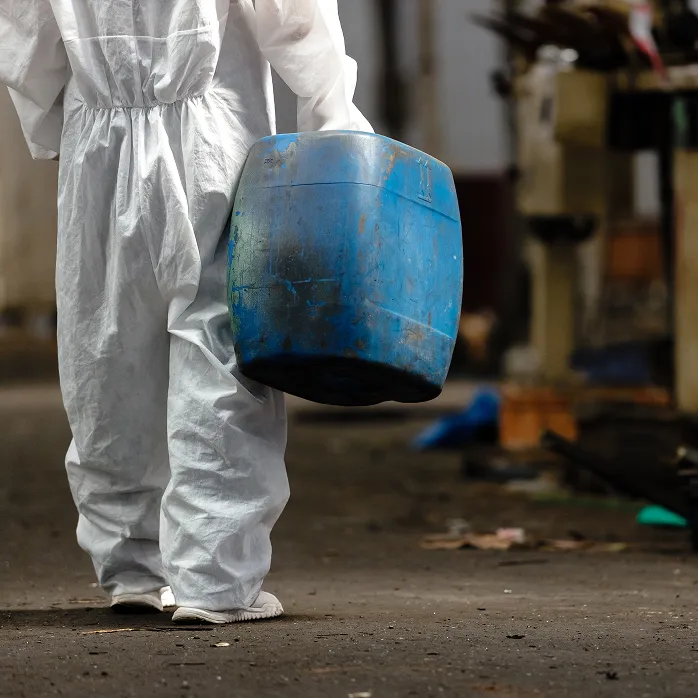
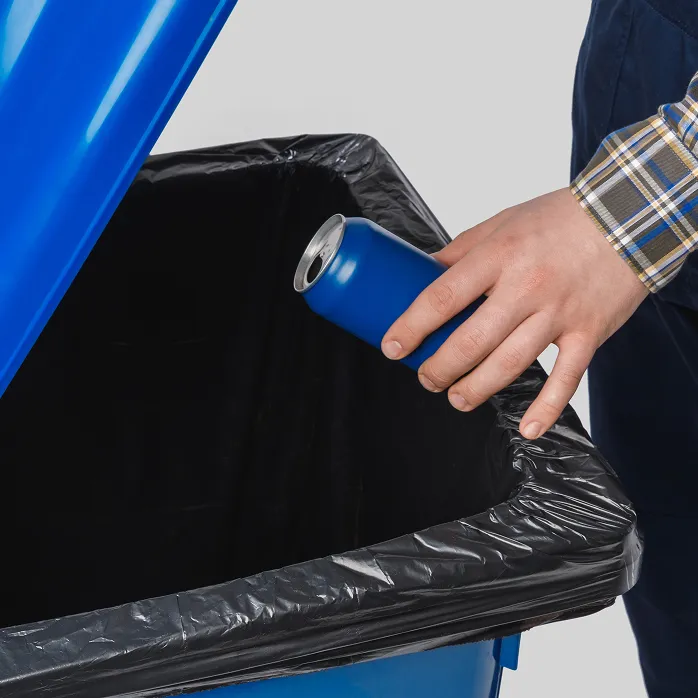
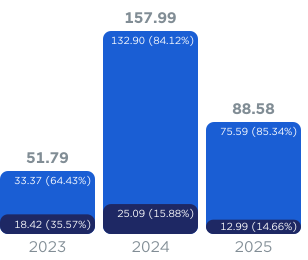
In 2025, the Company generated a total of 88.58 tons of waste from production processes, comprising 12.99 tons of hazardous waste and 75.59 tons of non-hazardous waste. Notably, 100% of the total waste was managed through the 3Rs principle, with zero waste (0.00 tons) sent to landfill. Compared with the 2024 baseline, hazardous waste and non-hazardous waste decreased by 48.23% and 48.12%, respectively, significantly exceeding the established targets. This performance reflects the effectiveness of source reduction measures, systematic waste segregation, and the increased use of recycled raw materials in the production process. These achievements support the Company’s Zero Waste to Landfill commitment and demonstrate effective resource management in alignment with the Company’s sustainable development and low-carbon transition strategy.


Stakeholders Directly Impacted

Employees

Suppliers

Customers

Shareholders and Investors

Public Sector

Business Partners

Communities and Society

Our Projects
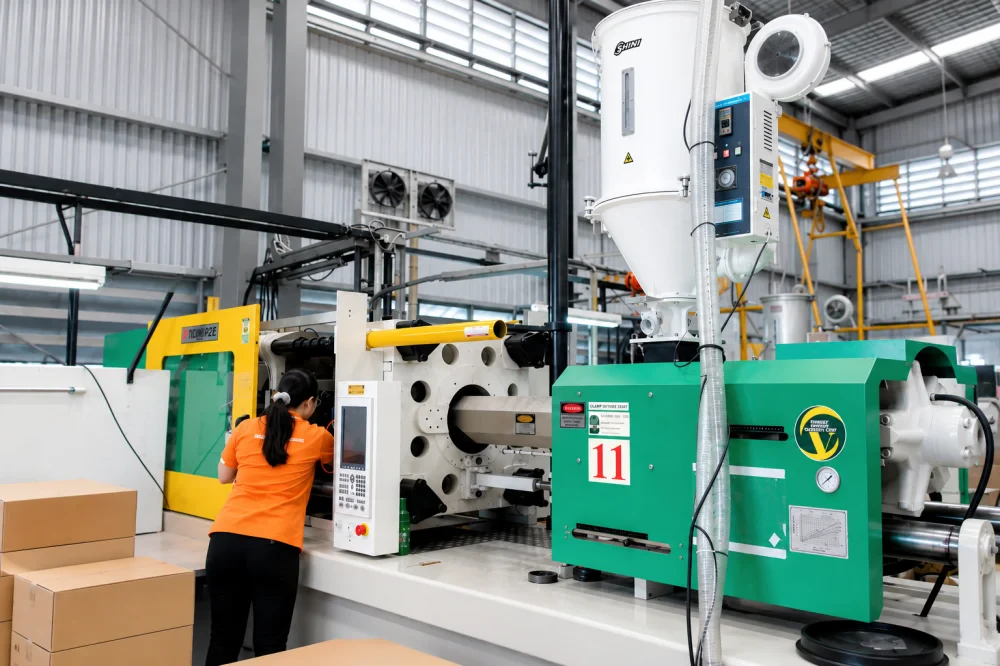
Promotion of Recycled Raw Materials in Production Processes