
Human Resource Management

Supporting the SDGs


Goals and Performance Highlights

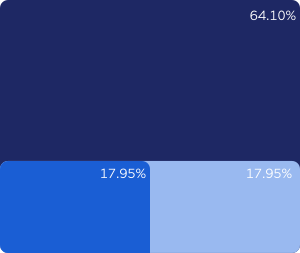
2025 Target
2025 Performance
2025 Target
2025 Performance
Challenge and Opportunity
The energy industry's transition towards modern energy and the integration of digital technologies into operations have continuously driven the demand for personnel with specialized skills in energy engineering, data analysis, and automation.
Simultaneously, the labor market in the energy, technology, and digital sectors is highly competitive, making the recruitment and retention of high-potential talent a critical organizational challenge. For a comprehensive clean energy and infrastructure business, operations require both specialized expertise and extensive accumulated practical experience, which represents crucial institutional knowledge that is difficult to replace. The loss of key personnel could significantly impact operational continuity, safety, project management, and future business expansion plans. Conversely, the holistic development of personnel, encompassing both technological capabilities and foundational soft skills such as communication, collaboration, and leadership, presents a vital opportunity to enhance operational efficiency, elevate competitiveness, and support long-term business growth. Therefore, holistic human capital development serves as both an opportunity to strengthen organizational capabilities and a critical mechanism for mitigating business continuity risks.
Management Approach and Value Creation
Human Resource Management
Recognizing that employees are the core driving force of the organization, the Company prioritizes continuous employee care and development to ensure they can work happily, securely, and grow alongside the Company. The Company systematically fosters employee motivation and engagement. This encompasses providing appropriate and competitive compensation and benefits,
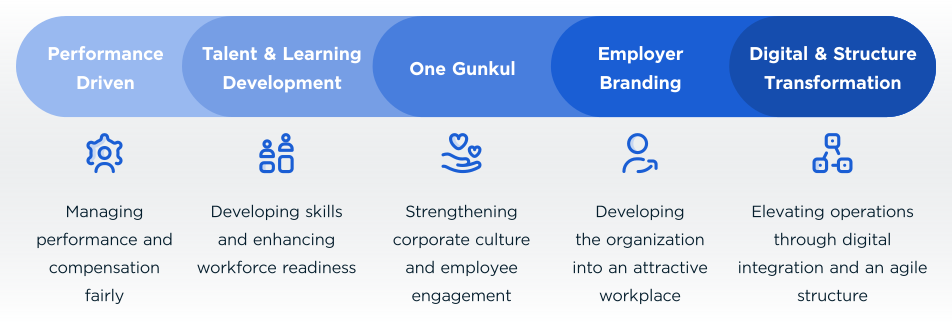
cultivating a safe, open, and mutually respectful work environment and culture, and establishing clear career progression pathways. These efforts aim to retain high-potential talent, preserve and expand internal institutional knowledge, and support business continuity. To materialize these efforts, the Company has established a human capital development framework comprising 5 Key People Development Pillars:
Performance Driven
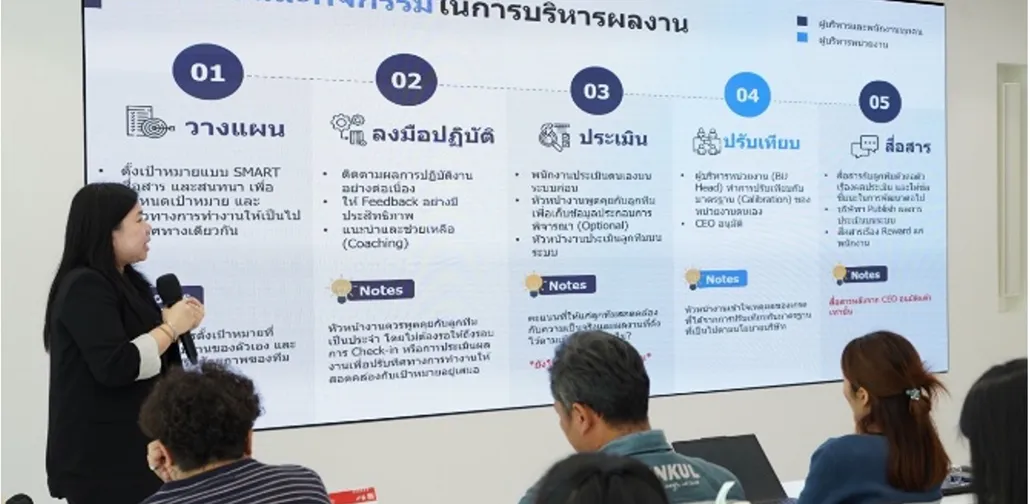

The Company strives to align all departments and employees with corporate goals. The Performance Management System (PMS) is utilized to cascade operational targets from the Corporate KPIs down to Department KPIs and Individual KPIs, ensuring systematic alignment with business strategies. Indicators are defined utilizing the Balanced Scorecard concept, covering financial, customer, internal process, and sustainable development goals. Targets are established using the SMART criteria (Specific, Measurable, Achievable, Relevant, and Time-bound), accompanied by continuous monitoring and feedback. This ensures employees understand their roles, expectations, and the significance of their contributions to the organization's success. In addition to performance evaluations, the Company concurrently conducts Competency Assessments, encompassing Core Competency, Managerial Competency, and Functional Competency. This reflects work capabilities and behaviors aligned with corporate values, utilizing the results to tailor individual development plans appropriately.
The Company transparently and fairly links performance evaluation results to its compensation and benefits system in order to recognize achievements, motivate employees, and promote accountability in the workplace. The evaluation considers employees’ performance, competencies, and the value of their roles (job value), enabling employees to clearly understand the relationship between their performance, career progression, and the rewards they receive. At the same time, this approach supports continuous improvement in work efficiency and contributes to the achievement of the Company’s business objectives. Furthermore, evaluation results are used as a key input for promotion considerations and career path planning, allowing employees to clearly see opportunities for professional growth that align with their individual potential and capabilities. In addition, the Company utilizes this information to develop Individual Development Plans (IDPs) and to prepare employees for critical roles in the future through succession planning. These practices play an important role in strengthening employee engagement and supporting long-term talent retention. In terms of compensation management, the Company aims to provide remuneration for employees and executives that is fair and competitive within the labor market, primarily based on performance and independent of differences in gender, race, nationality, religion, age, or disability. The Company also conducts regular compensation benchmarking against industry peers to ensure that remuneration is appropriate to job responsibilities and sufficient to support a decent standard of living. To support employee motivation and well-being, the Company has established a compensation and benefits policy that provides both monetary and non-monetary rewards, ensuring that employee welfare and quality of life are appropriately and comprehensively supported.
Commitment to Labor Standards Framework
Beyond providing fair compensation and benefits, the Company places strong importance on labor practices in compliance with applicable laws and international labor standards. The Company has established policies, operational procedures, and work regulations applicable to both the Company and its subsidiaries to ensure fair and equitable treatment of employees. These frameworks cover key labor issues, including fair employment practices, non-discrimination, respect for human rights, working hours, holidays and leave, compensation and benefits, occupational health and safety, and grievance mechanisms to prevent harassment, child labor, and forced labor. The regulations are implemented across all employee levels and subsidiaries and are communicated through various channels, including internal communication systems, new employee orientation programs, and relevant training sessions, to ensure employees clearly understand their rights, responsibilities, and workplace practices.
Furthermore, the Company participates in the Family-Friendly Workplace (FFW) Network, in collaboration with government agencies and academic institutions such as the Department of Women’s Affairs and Family Development, the Department of Labor Protection and Welfare, and the Thai Health Promotion Foundation (ThaiHealth). Through this initiative, the Company participates in workshops and knowledge-sharing activities to develop welfare policies and working environments that support family well-being. These practices include providing consultation channels for employees facing family-related challenges and promoting work-life balance to enhance employees’ quality of life. This reflects the commitment to complying with recognized labor practices and continuously improving the working environment.
Talent & Learning Development
Average Training Hours
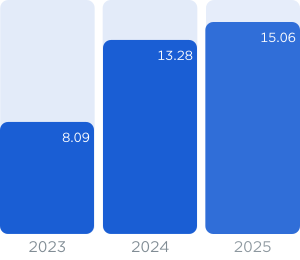
Average Training
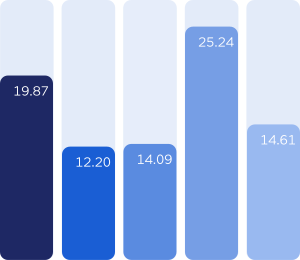

Total Training Hours

Training Courses

Total Employees Trained

Training Budget
The Company continuously develops personnel capabilities through the "Skill X System" framework, aiming to elevate employee competencies in alignment with business operations and industry transformations. This comprehensively covers knowledge, functional skills, and essential future skills through the Onboarding Program, Learning and Development Program, and Talent Management Program. The development framework is structured around 5 core areas: functional knowledge to enhance operational expertise, communication and collaboration skills to boost teamwork efficiency, management and leadership skills to prepare employees for supervisory and executive roles, business acumen to ensure employees realize the impact of their work on corporate goals, and the cultivation of accountability to foster a proactive work culture. Ultimately, these initiatives build a high-potential workforce equipped to support the organization's long-term growth and ensure business continuity.
Onboarding Program
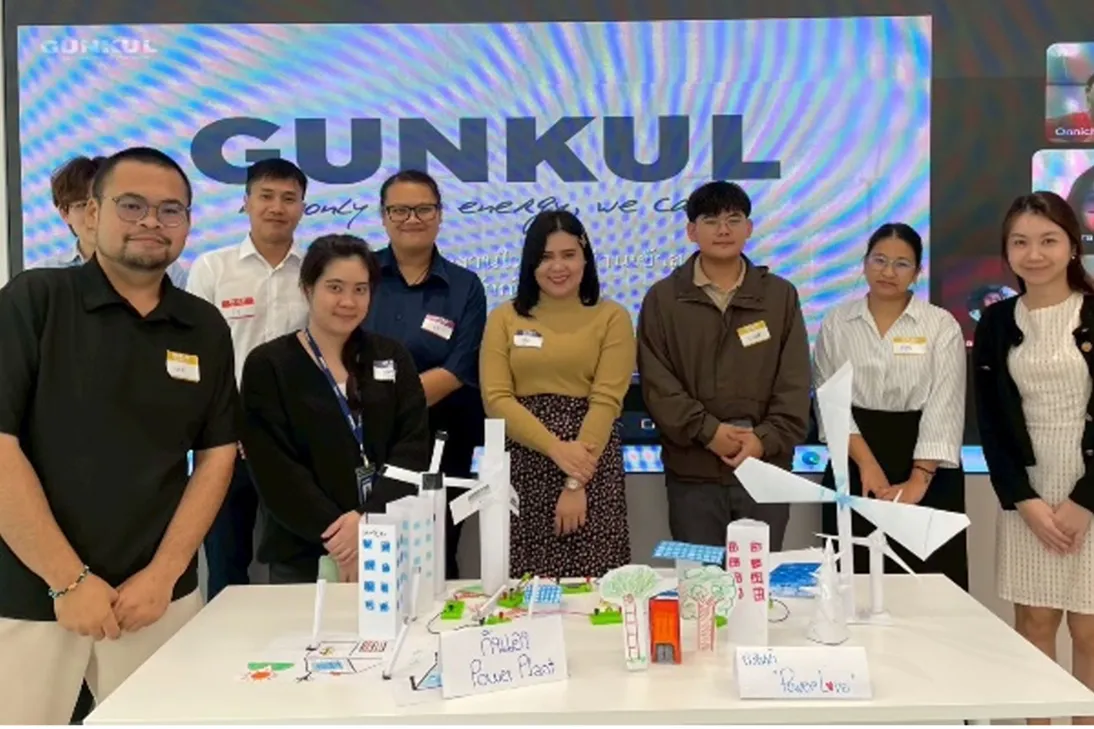
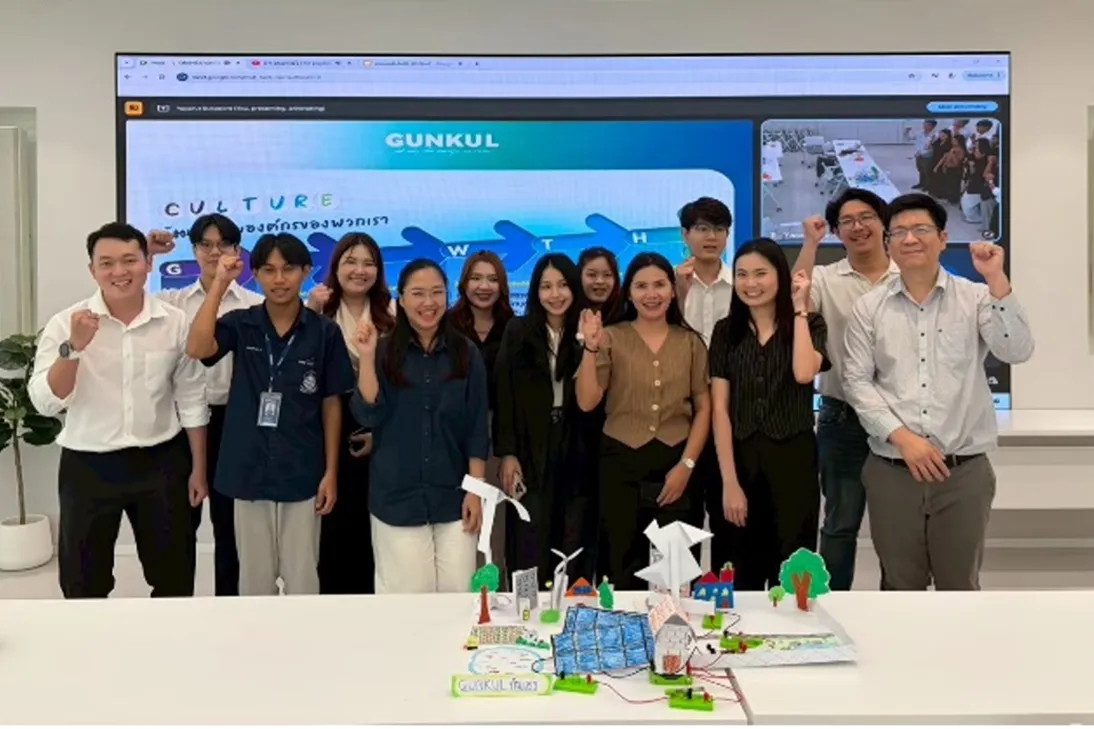
The Company organizes the Onboarding program to instill an understanding of the corporate culture and sustainable development guidelines from the very beginning of employment. This encompasses new employee orientation activities designed to foster engagement, build familiarity among colleagues and help new hires seamlessly adapt to the corporate culture. Furthermore, the program integrates self-paced learning through the online platform (Gunkul LMS) within a specified timeframe. This covers essential courses, including ESG and Sustainable Business Development Goals, ISO Standard Systems, Personal Data Protection (PDPA), Risk Management, and Anti-Corruption. Ultimately, this ensures that employees fully comprehend their roles, responsibilities, and organizational work standards, thereby mitigating operational risks and driving sustainable business operations.
Learning and Development Program
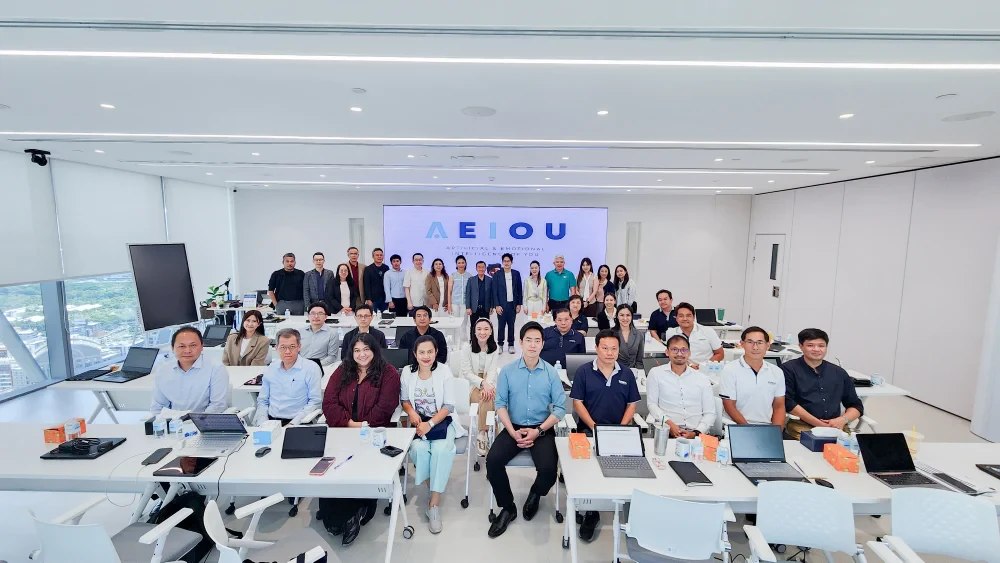
In 2025, the Company executed its personnel development initiatives in accordance with the annual human resource development plan. This comprehensive approach encompasses upskilling, reskilling for new roles and cultivating Future Skills through internal training, Knowledge Sharing sessions, and external training programs to effectively support energy business operations and the organization's digital transformation. The training is categorized into three primary areas:
- Technical & Professional Skills Aimed at reinforcing specialized knowledge and operational safety. Key courses included electrical safety, working at heights and in confined spaces, safe vehicle operation, basic firefighting, GWO Basic Safety Training, internal auditing, anti-corruption, Compliance Audit, IFRS S1/S2, wind energy analysis, and the utilization of data analytics tools.
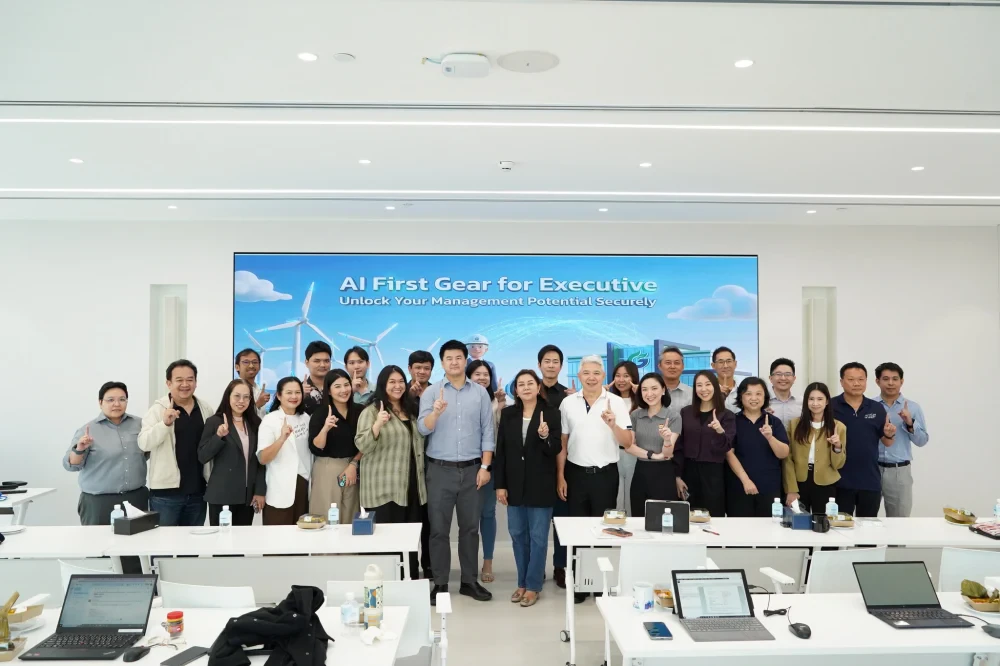
- Leadership & Future Skills Focused on developing leadership capabilities and collaboration. Key courses included Supervisor Skill, Business Sense & Strategic Leader, effective communication, work planning and prioritization, analytical thinking and problem-solving, cross-functional collaboration (Gunkul Seamless), project planning, presentation and negotiation, and Design Thinking. It also incorporated vital digital skills such as AI for Executives and HRIS system utilization. Developing these skills not only enhances operational efficiency and safety but also directly links to the performance evaluation and compensation systems. This allows employees to clearly recognize the correlation between personal development, career advancement, and the rewards they receive.
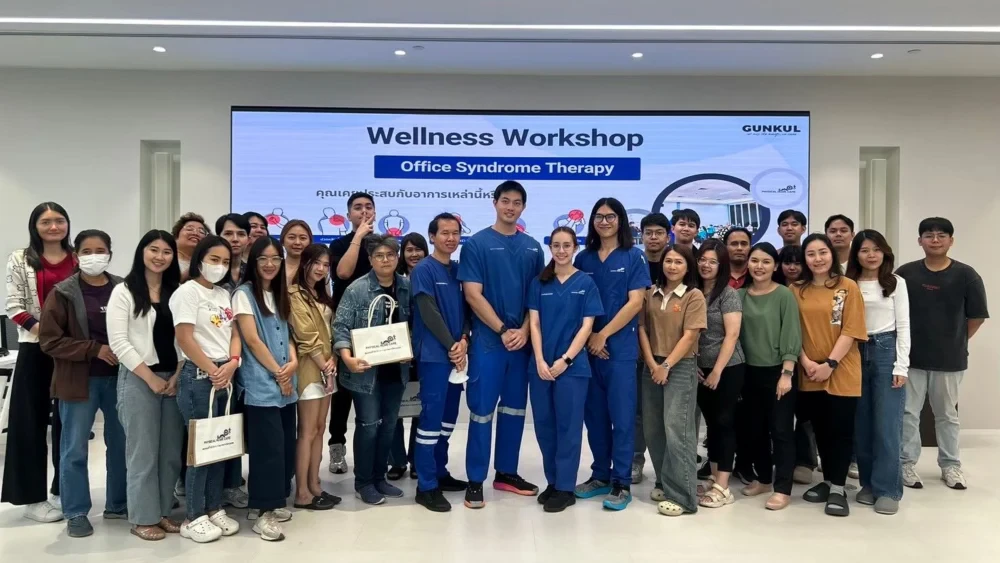
- Employee Well-being & Engagement The Company prioritizes the holistic well-being of its employees, encompassing physical and mental health, as well as positive workplace relationships, to cultivate an environment conducive to efficiency and organizational engagement. The Company continuously organized activities and courses promoting health and work-life balance, such as Office Syndrome Therapy, Personal Color Workshops, personality development for success, and Empathic Communication.
Talent Management Program
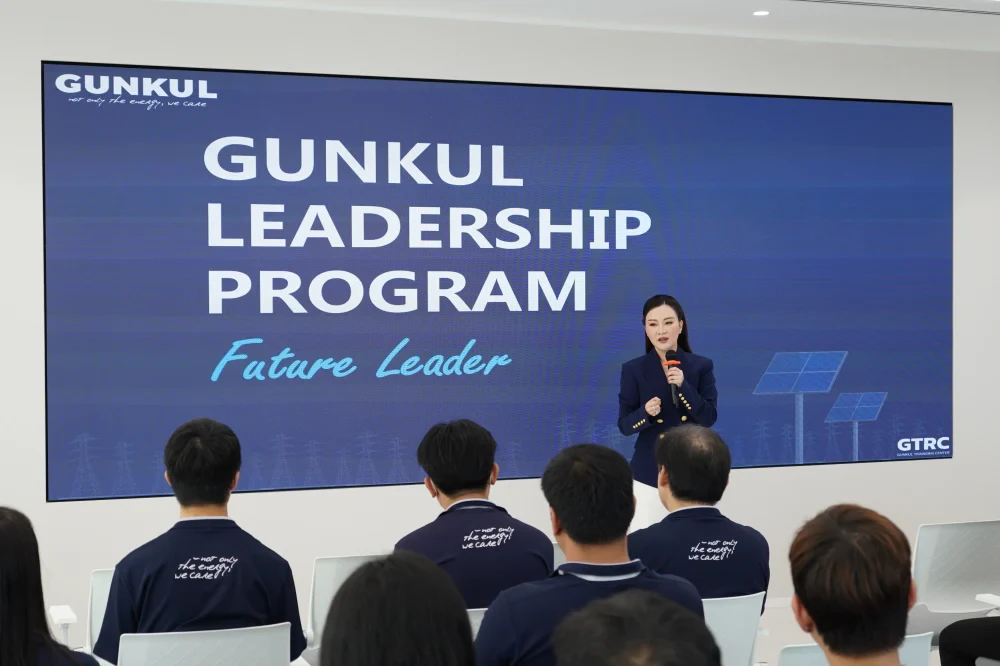
The Company implements the GUNKUL Leadership Program to prepare executives and high-potential employees (Talent) to effectively drive the organization amidst the rapidly evolving business environment and energy industry. The program focuses on holistic potential development, encompassing strategic thinking, decision-making, and a holistic business understanding through expert learning and experience sharing. This cultivates leaders capable of efficiently and sustainably driving the organization in the long term.
Strengthening Corporate Culture and Engagement (One GUNKUL)
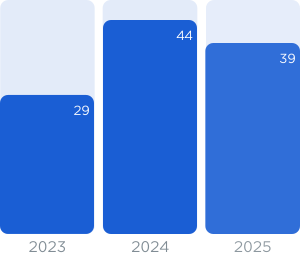
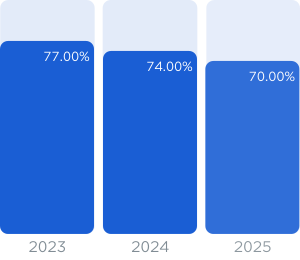
Employee Engagement Score
Number of Voluntary Turnovers
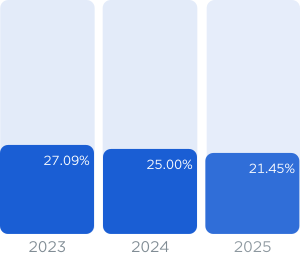
The Company is dedicated to strengthening its corporate culture and employee engagement under the "One GUNKUL" concept, ensuring that employees clearly understand the business direction, their roles, and how to collaborate with maximum efficiency. This is achieved by promoting adherence to Core Values and aligning collaborative behaviors. Senior executives actively serve as role models (Tone from the Top) in practicing these corporate values and consistently communicating the organizational direction to foster a shared understanding at all levels.
Furthermore, the Company has defined expected behaviors derived from these Core Values: working with clear objectives (Work fast & purposeful), collaborating with trust and accountability (Empower collaboration & responsibilities), and embracing change through continuous learning and development (Be innovative & flexible). These expected behaviors seamlessly enhance teamwork and employee engagement in alignment with corporate goals.
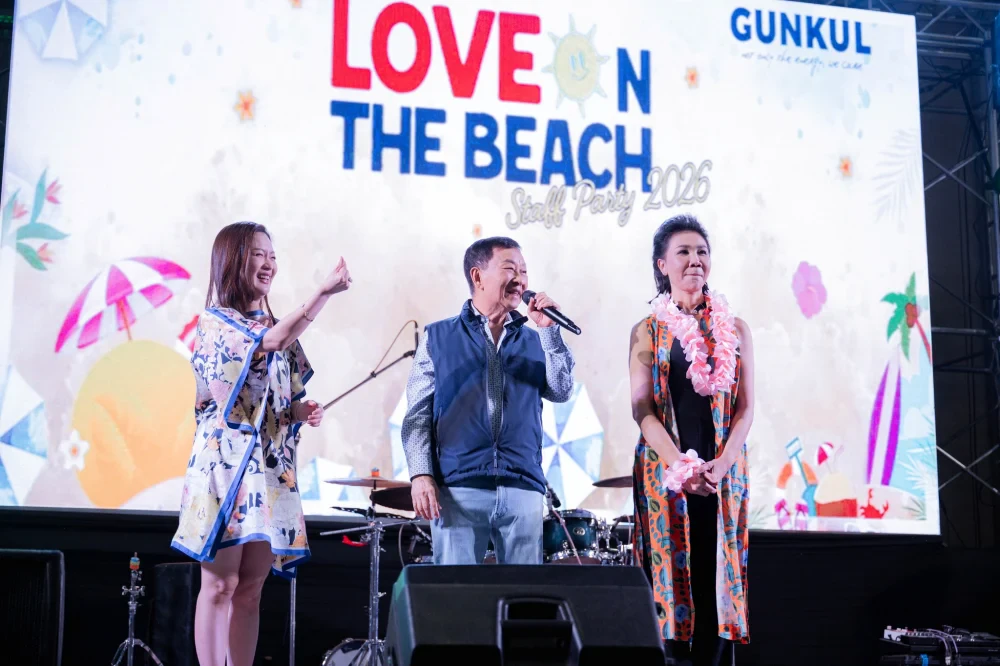
The Company consistently promotes internal communication and employee engagement through key activities such as Town halls to communicate business directions and connect employee roles with organizational goals. This is paired with creating a work environment conducive to collaboration. The Company organizes cross-functional relationship-building activities, Core Value promotional initiatives, and teamwork missions. Additionally, it hosts engagement and quality-of-life events, including major festive celebrations, recreational activities, and health care services, cultivating a positive and sustainable work atmosphere.
Employer Branding
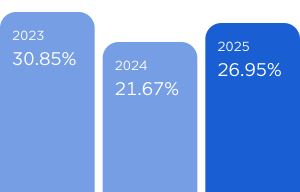


The Company is dedicated to developing the organization into an attractive workplace by prioritizing employee care and capacity building, alongside comprehensive internal communication and engagement. Simultaneously, the Company strategically communicates its corporate image externally and builds strong partnerships with educational institutions and professional networks. The ultimate goal is to ensure that current employees and prospective candidates perceive the Company as a stable organization offering clear career growth opportunities, a supportive working environment, and a profound commitment to employee quality of life and engagement. Furthermore, the Company has actively diversified its recruitment processes and sourcing channels to attract new-generation talent and high-potential individuals aligned with future business directions. Key initiatives include:
Promoting Diversity, Equity & Inclusion (DEI) in Recruitment Providing equal opportunities for all candidates to be considered fairly, strictly without discrimination based on race, religion, gender identity, sexual orientation, age, disability, or nationality. Selections are based solely on knowledge, capabilities, and job suitability to actively foster workplace DEI.
Dual Education Program Collaborating with educational institutions to provide young people and the new generation with real-world practical training, thoroughly preparing them before entering the labor market. This expands equal access to career opportunities. In 2025, 19 students participated in the program, which was complemented by continuous career guidance activities.
Job Fairs Engaging in job fairs alongside universities and government agencies to promote renewable energy careers to the younger generation, providing vital insights into job characteristics, career progression paths, and essential skills.
Employee Referral Program Empowering employees to recommend qualified candidates to join the Company. This seamlessly enhances the efficiency of recruiting high-quality personnel who fit the corporate culture, while simultaneously fostering employee participation and organizational engagement.
Social Media Recruiting Expanding recruitment channels via social media utilizing the "Gunkul Career" page to broadly advertise job openings. The Company also leverages professional job platforms such as JobsDB, JobThai, and LinkedIn, tailored to specific roles, to maximize the reach to highly qualified candidates.
Supporting Local Employment Actively hiring underprivileged groups within communities surrounding operational sites. The Company recruits local individuals who may lack educational or social opportunities for suitable roles, such as operational support staff, housekeeping, and basic technicians. The Company provides essential coaching and skill training prior to commencement, enabling them to secure steady employment and continuous income. This directly elevates their quality of life and strengthens the community's economic resilience.
Digital & Structural Transformation
The Company strategically integrates digital technologies into human resource management and organizational structuring to significantly enhance accuracy, speed, and operational efficiency. This robustly supports data-driven decision-making aligned with rapidly evolving business models. The organizational structure has been intentionally redesigned to be highly agile. By clarifying roles and chains of command, streamlining coordination processes, and aggressively promoting cross-functional collaboration, the Company ensures that decision-making and operations are exceptionally swift and flexible, perfectly accommodating business expansion and new projects.
Meanwhile, the Company implemented a cutting-edge Human Resources Information System (HRIS) to centralize personnel data management. This comprehensively covers employee profiles, leave requests, time attendance, performance evaluations, and human capital development. Employees can access and manage tasks independently through this self-service system, increasing convenience, drastically reducing administrative paperwork, and minimizing operational errors. Additionally, the Company extensively leverages system data for Workforce Planning to align precisely with business demands and support optimal manpower management. Consequently, personnel data management has become highly systematic, transparent, and trackable. This distinctly elevates the overall Employee Experience and fortifies the organization's long-term operational efficiency.

Stakeholders Directly Impacted

Employees

Our Projects
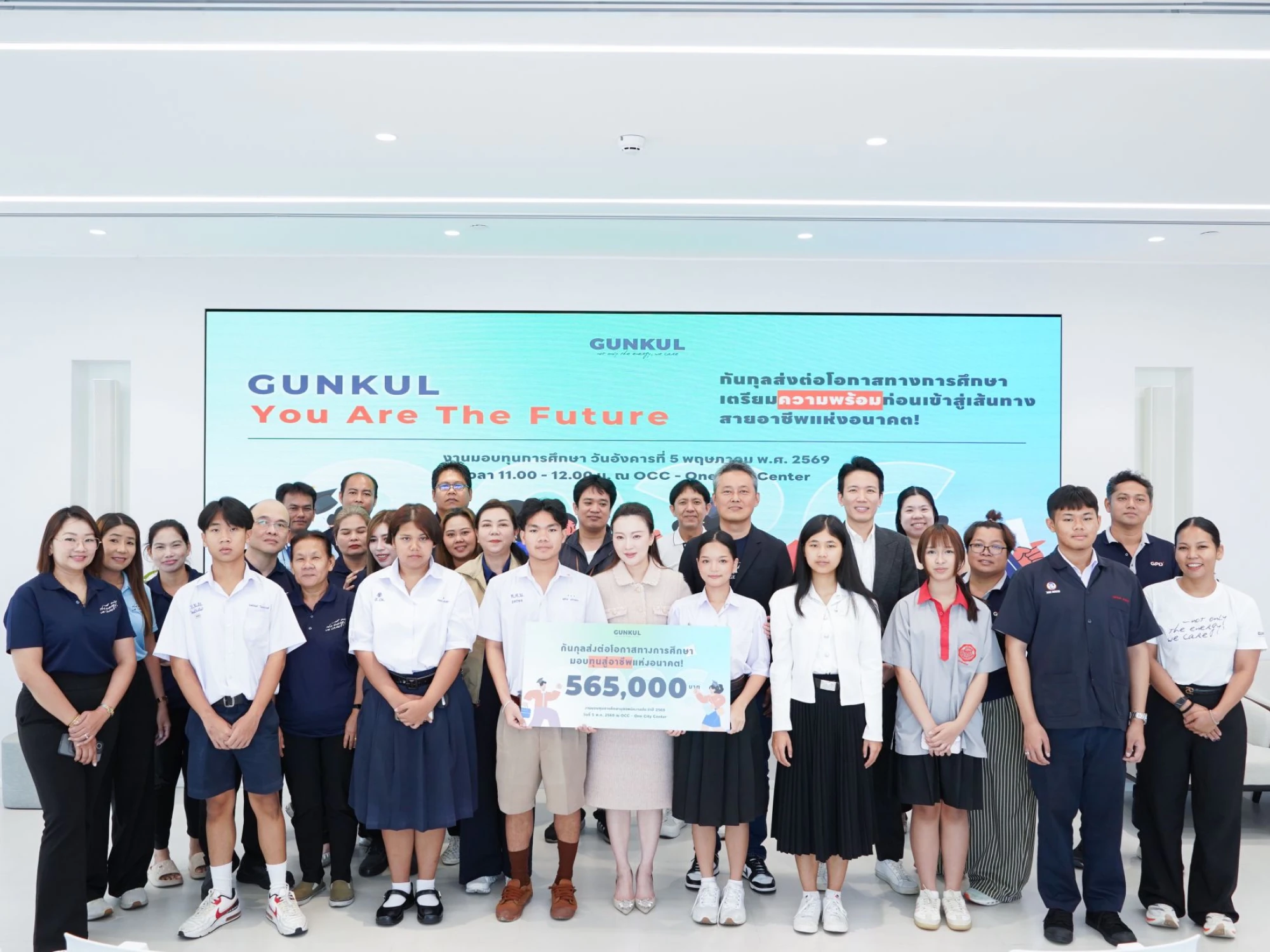
2026 Scholarships for Employees’ Children