
Energy Management
Supporting the SDGs


Goals and Performance Highlights
2025 Target
2025 Performance
Challenge and Opportunity
Efficient energy management is a critical issue in the current economic context, as energy serves as a fundamental driver of economic activities across all sectors.
The continuously increasing demand for energy, combined with volatile energy costs and resource constraints, may pose risks to energy security, operational costs, and the long-term competitiveness of businesses. In addition, inefficient energy consumption is closely linked to greenhouse gas emissions and climate change, which have become global concerns with widespread impacts on the economy, society, and the environment. As a leader in the renewable energy industry, the Company is committed not only to developing technologies and innovations to generate electricity from clean energy sources in order to reduce dependence on fossil fuels and strengthen energy security for society, but also recognizes that efficient energy management within the organization represents an important strategic challenge. This includes managing operational costs, improving operational efficiency, and minimizing environmental impacts.

Management Approach and Value Creation
Energy Management Approach
The Company has established a systematic energy management framework to support the reduction of greenhouse gas (GHG) emissions through three main approaches: Energy Efficiency, Renewable Energy, and Low-Emission Transportation. This aims to reduce operational costs and long-term environmental impacts.
The operations fall under the corporate governance structure, with clearly defined energy policies, targets, and indicators at the departmental level. Progress is regularly monitored and reported, with data analyzed to enhance operational efficiency in alignment with relevant standards and best practices. The operational framework covers behavioral, technological, and data management dimensions, consisting of the following key approaches:
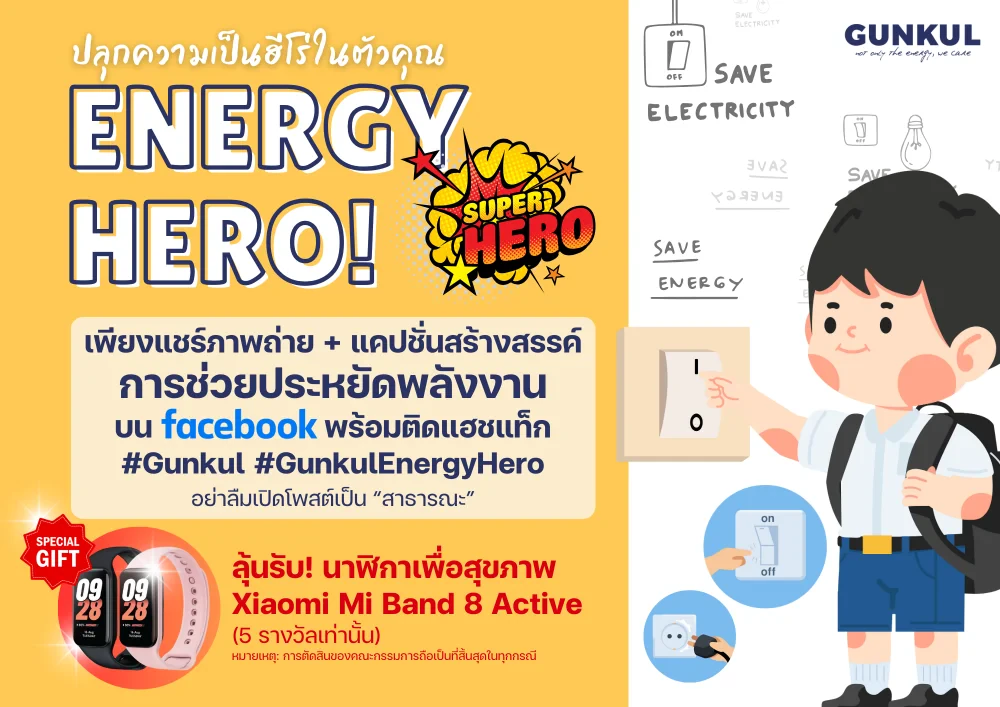
- Energy Awareness & Culture Promote awareness and active participation among employees through internal campaigns and communications to drive behavioral changes in daily energy consumption, such as appropriate electricity usage and cost-effective resource utilization. This integrates the concept of energy conservation into the corporate culture.
- Energy Efficiency Optimization Improve energy efficiency in buildings and operational processes through the adoption of high-efficiency technologies, such as LED lighting and Smart Technology. This also includes optimizing energy use in vehicles and transportation systems through eco-driving, fleet management, and logistics planning to systematically reduce energy and fuel consumption.
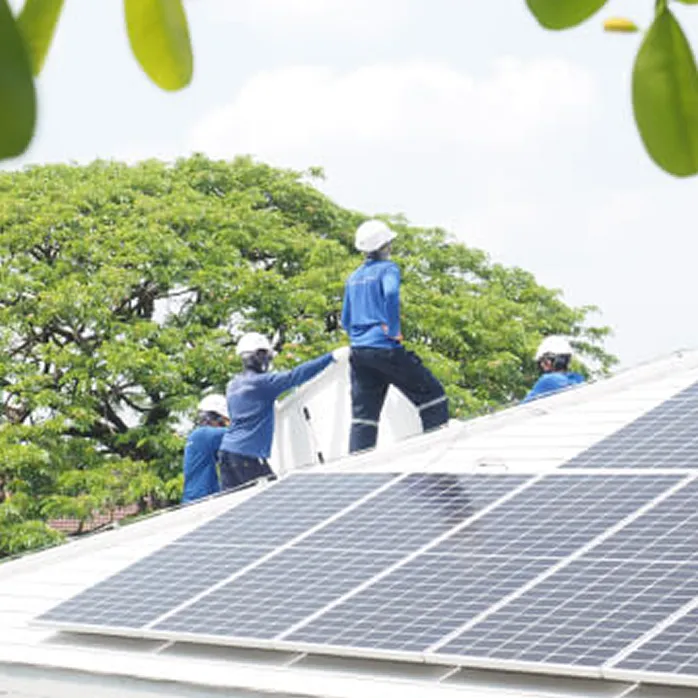
- Renewable Energy Integration Promote the use of clean energy within the organization by installing and optimizing solar photovoltaic (PV) systems in operational areas. This increases the proportion of renewable energy consumption, reduces dependence on grid electricity, and supports the reduction of Scope 2 greenhouse gas emissions.
- Low-Emission Transportation Aim to reduce greenhouse gas emissions from transportation by gradually transitioning the corporate fleet to electric vehicles (EVs), alongside developing supporting infrastructure such as EV charging stations. Environmentally friendly commuting guidelines are also established to enhance energy efficiency and reduce direct greenhouse gas emissions (Scope 1).
- Data-driven Monitoring Develop systems to monitor and analyze energy consumption data at the departmental and equipment levels to evaluate efficiency, identify areas for improvement, and support strategic decision-making. Key performance indicators (KPIs) are established and regularly tracked to elevate operations in alignment with long-term energy and GHG reduction targets.
Corporate Energy Consumption Data


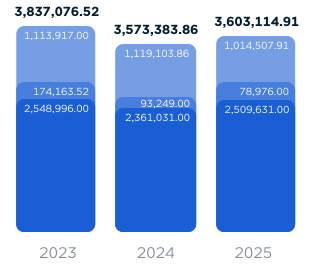
Total Electricity Comnsumption (kWh)
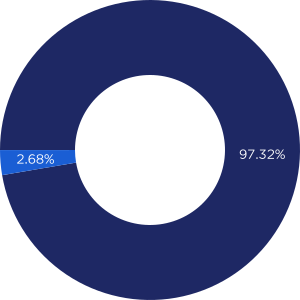
Renewable Energy Proportion
Electricity Inttensity per Employee (kWh/person)
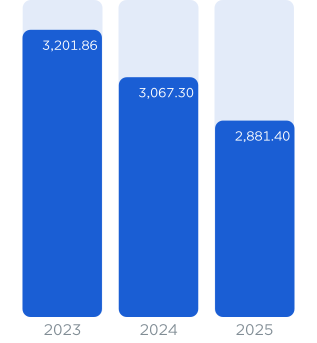
Regarding energy operations in 2025, the Company recorded a total electricity consumption of 3,603,114.91 kWh. This comprised 3,506,664.40 kWh of purchased electricity from external sources (97.32%) and 96,450.51 kWh of renewable electricity (2.68%). Although overall purchased electricity consumption increased slightly by 0.28% in line with business expansion, the share of renewable energy increased from 2.15% to 2.68%. In addition, electricity consumption per employee decreased by 6.06%, reflecting improved energy management efficiency. When analyzed by business operations, two business groups achieved significant reductions in purchased electricity consumption. The Engineering and Turnkey Business reduced electricity consumption by 15.31%, while the High Voltage Equipment Business reduced consumption by 11.93%, alongside an increase in renewable energy utilization. Meanwhile, electricity consumption at the Headquarters and Energy Business increased by 6.29%, in line with the expansion of operational activities. The Company will continue to improve energy efficiency and increase the share of clean energy to ensure that business growth is aligned with efficient energy use in the long term.
Stakeholders Directly Impacted

Employees

Customers

Shareholders and Investors

Public Sector

Communities and Society

Our Projects
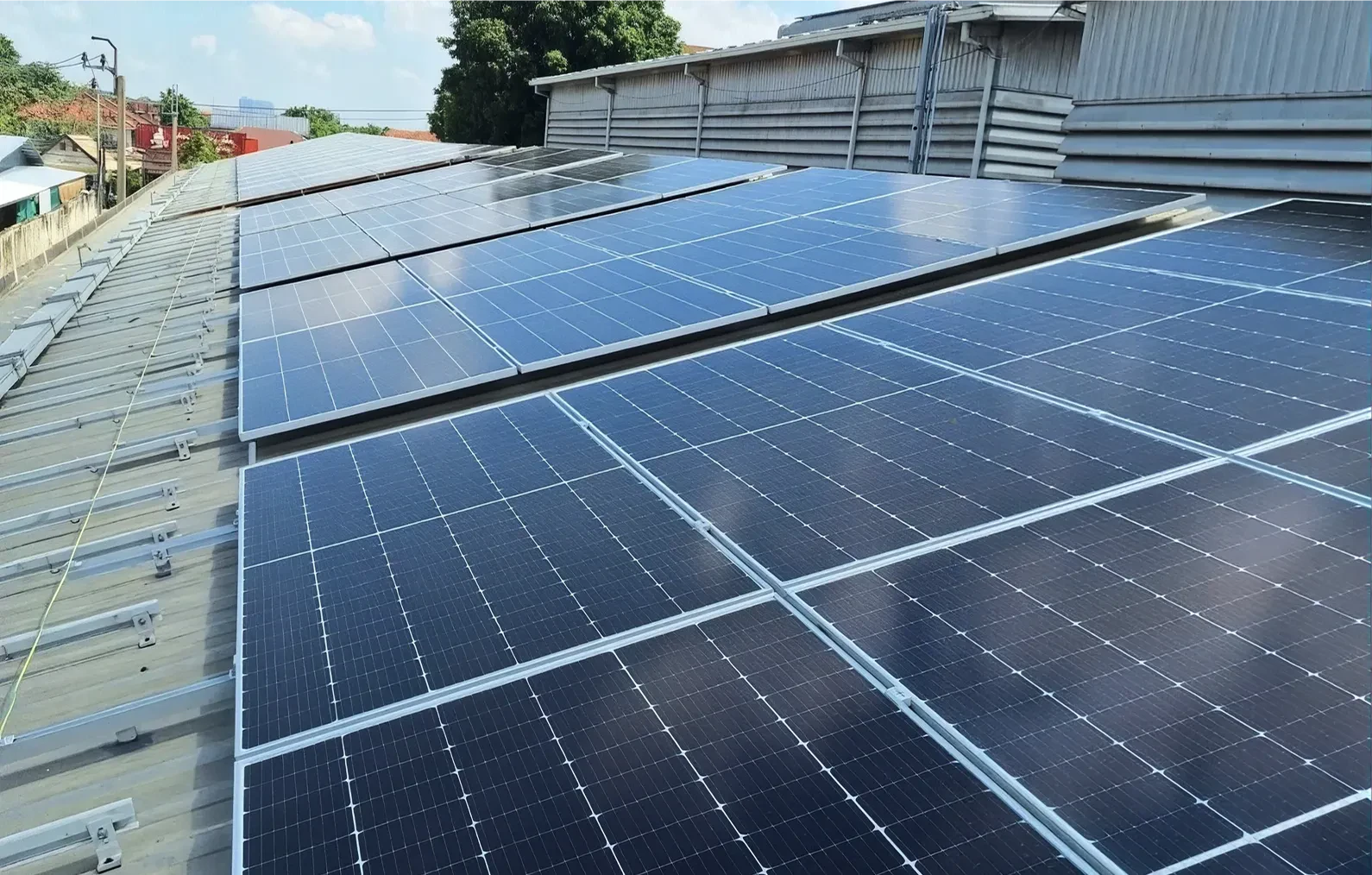
Solar Rooftop Capacity Expansion
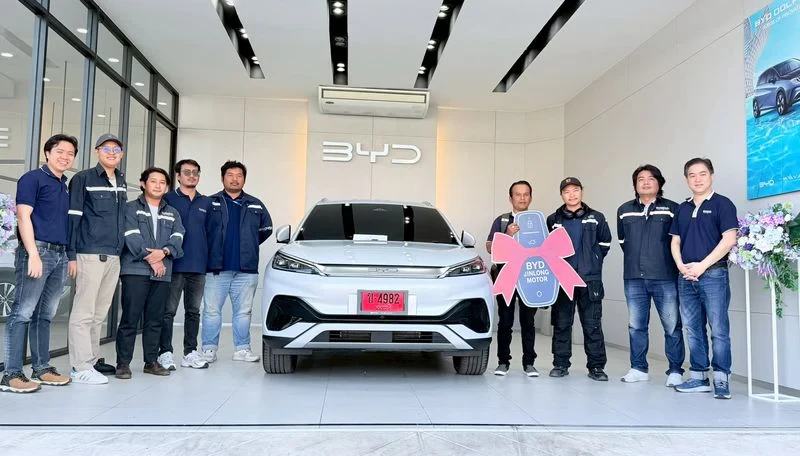
Promoting Electric Vehicle (EV) Adoption